ochoin ochoin  | 12 Jan 2026 4:15 p.m. PST |
I have sizeable armies for the Colonial campaigns in Zululand & the Sudan. This means, of course, a lot, but not enough, natives & a relative few but too many Colonial soldiers. …..I *really* need to paint another Zulu regiment…..or two…. I am curious. How do you handle painting the masses of indigenous troops needed in Colonial games? Do you paint the lots of indigenous figures differently from the few uniform Europeans? Do you use speed methods, simplified palettes, or full detail on both anyway? What actually works for you? |
| robert piepenbrink | 12 Jan 2026 5:00 p.m. PST |
Seifried Method, now known as "speed paints" is usually the best solution for me. Line up a bunch, and get different numbers of paints for each item of clothing--say six colors for coats, five for trousers and seven for hats--obviously depending on the overall native dress. Then go down the lines, painting every sixth coat the same color, every fifth pair of trousers and every 7th hat so you only duplicate on the 211th casting. For Zulu, you need to paint skin as though it were clothing. Line up every bottle of dark brown or black you can find--NOT washes--or spray prime everyone black and damp brush with every dark brown you have. Paint shields by regiment, of course--but they're not being run off in a shield factory. Do a base white, red-brown or black and modify from there. But remember you're going for mass effect. You're not entering them into a painting competition, but putting an impi on the table by next week. The smaller numbers of the regular Euros make them more prone to be picked out as individuals. ("A uniform is a great way to show your individuality."--Terry Pratchett.) If you want to stain or fade uniforms, this is where it pays off. European armed civilians--think Boers especially--can be painted on the Native system. |
| Frederick | 12 Jan 2026 5:19 p.m. PST |
Agree with Robert – that's how I painted the horde of Celts we used to use for our Ancients battles (have to have someone for the Legions to beat on) – line 'em up, paint en masse and washes/contrast paints are your friends |
| ochoin | 12 Jan 2026 7:39 p.m. PST |
Sure, sure — mass-painting works. But I'll argue this: if your "horde" looks like it was painted by a factory line, are you really capturing the chaos and individuality of an impi charging? I've seen tables where the natives are indistinguishable brown blobs and the Colonials look like a dress parade — suddenly the "historical feel" disappears. I agree with RP but perhaps even more so. Mix in at least a handful of individually painted, unique figures – tribal leaders, a special unit etc. Otherwise, it's just a miniatures carpet. Who's brave enough to admit they actually care about individuality in the mass? |
| Col Durnford | 12 Jan 2026 8:10 p.m. PST |
I do an equally poor job on both my colonials and natives. I will admit a fondness for band box British, white helmets and all. |
| ochoin | 13 Jan 2026 4:40 a.m. PST |
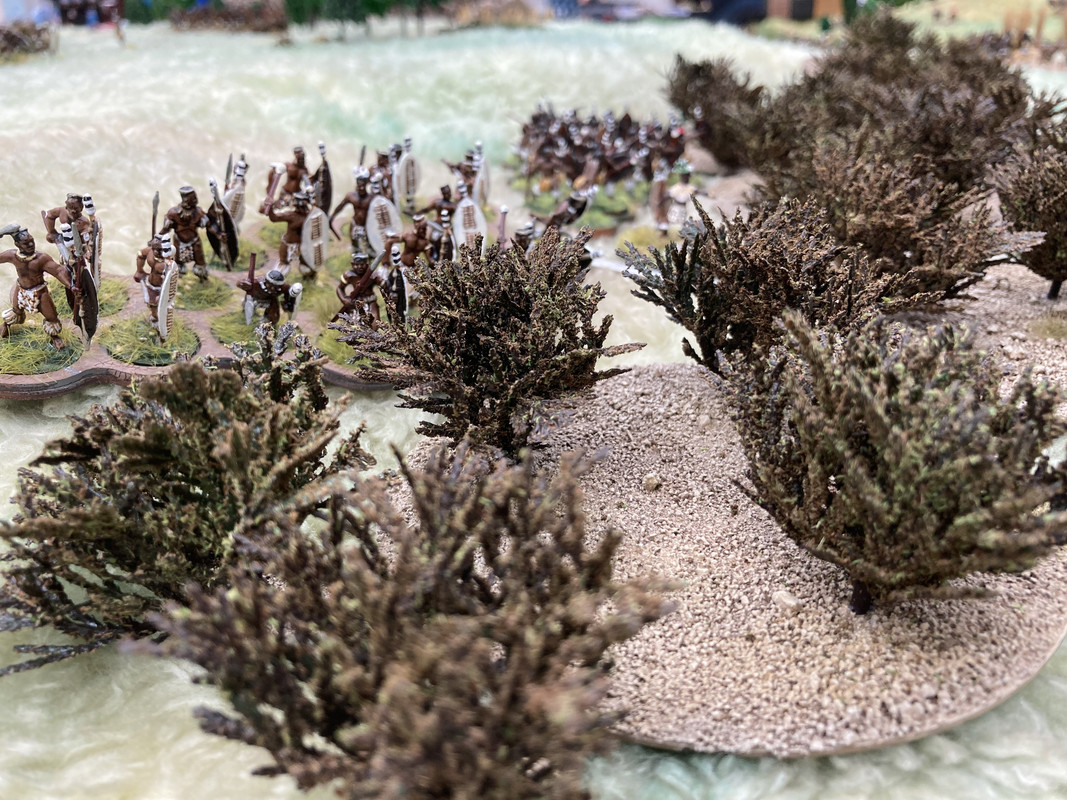
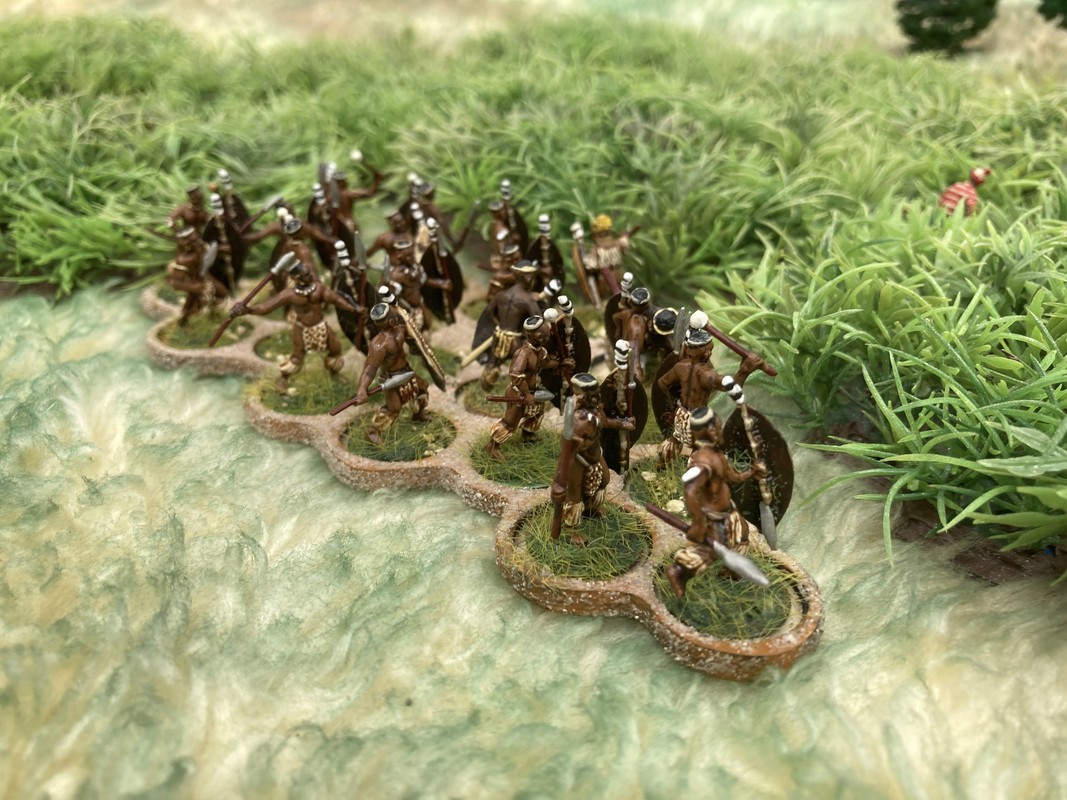
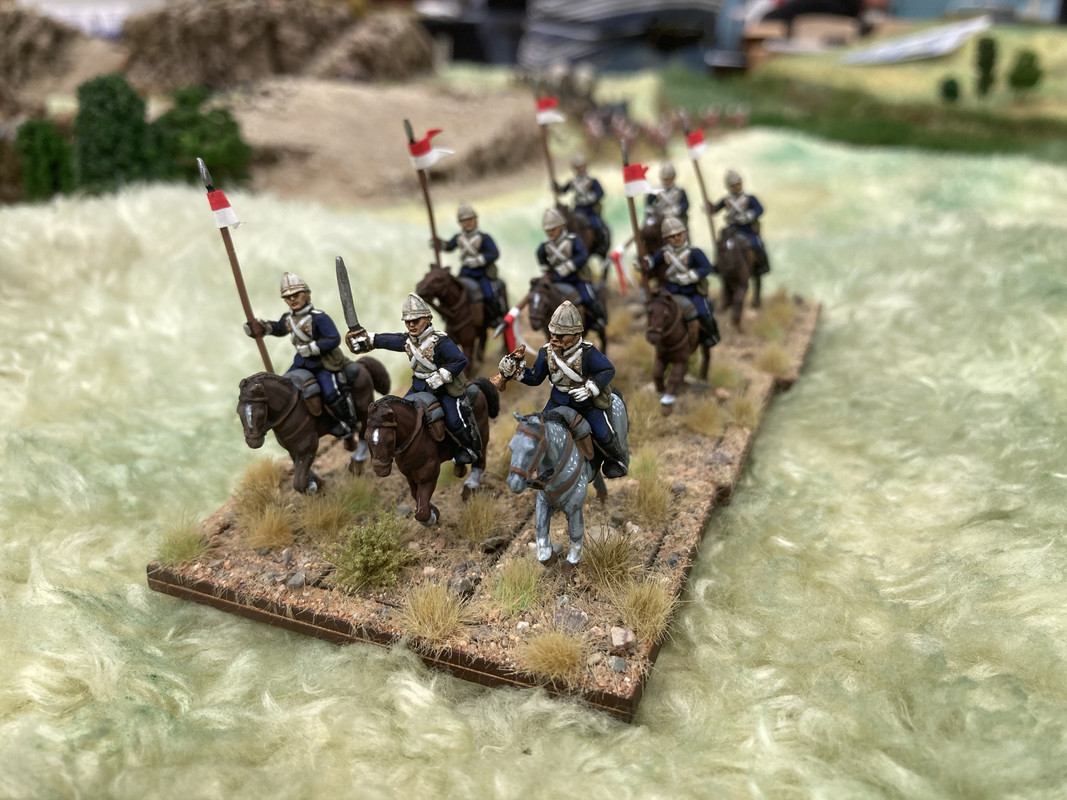
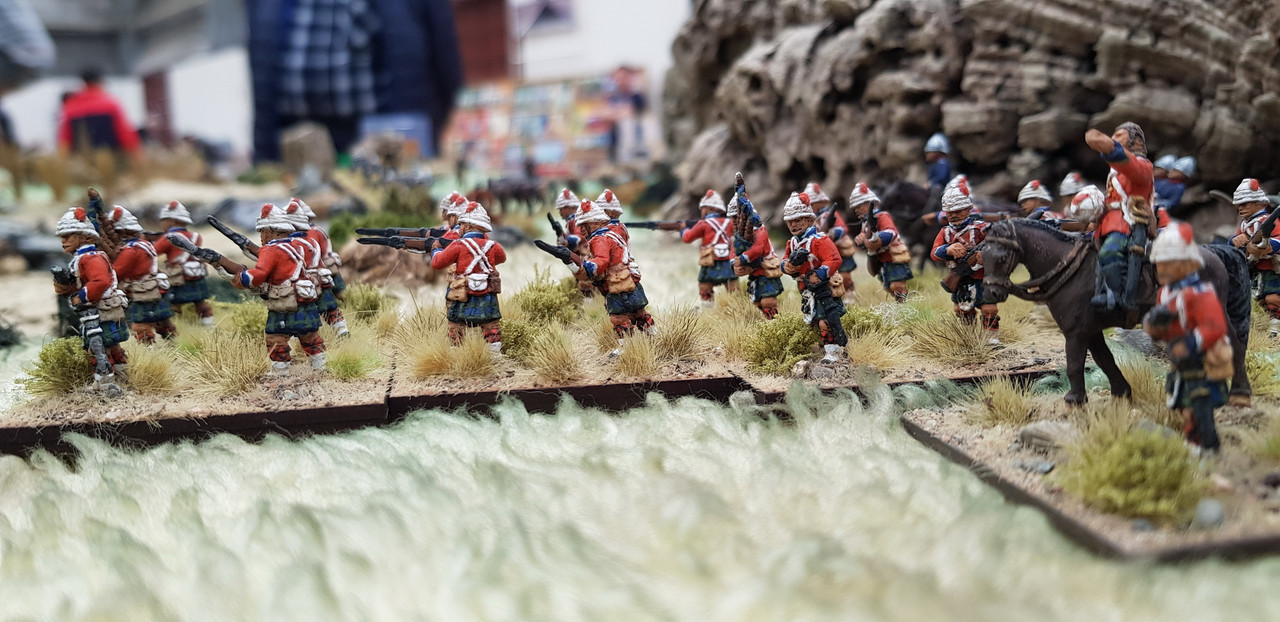
I think this is where big-battle and skirmish games diverge as far as hordes of natives are concerned. In big Colonial battles, individuality reads as pattern and contrast. Variation in skin tones, shields, basing and formations does the work; painting every figure to skirmish standard doesn't add much once you've got 100+ on the table. In skirmish games, the opposite is true. With 10–20 figures, every model is a character, so extra detail actually shows and pays off. My approach is paint for distance and mass, then spend effort on leaders and focal points for native units. I guess a more painstaking approach – a "skirmish" figure approach – is needed for Europeans. Do these photos illustrate what I mean? theminiaturespage.com
"TMP link theminiaturespage.com
"TMP link theminiaturespage.com
"TMP link theminiaturespage.com
"TMP link |
| Alakamassa | 13 Jan 2026 5:27 a.m. PST |
Sorry but hordes are people too. They are done when each figure's eyes are dotted. |
| pzivh43 | 13 Jan 2026 9:04 a.m. PST |
+1 ochoin. Exactly what I strive for. Although I do have some personality figures for both sides of my colonial armies (15mm). |
| ochoin | 13 Jan 2026 1:00 p.m. PST |
"Sorry but hordes are people too." This would make a great bumper sticker or T-shirt. I want one. |
John Leahy  | 13 Jan 2026 5:40 p.m. PST |
Those figs are beautiful! I try and prime in the base color. Badger makes a Nubian flesh primer. I love thus period. I sold off much of my 15mm figs for it. Now I only have 1/72 and 6mm figs for it. I do own 28mm Zulu's but I use them as Ngoni for my Darkest Africa 28mm armies. Thanks. John |
| ochoin | 13 Jan 2026 6:47 p.m. PST |
"I try and prime in the base color." John – great tip. I wish I'd known this years ago. |