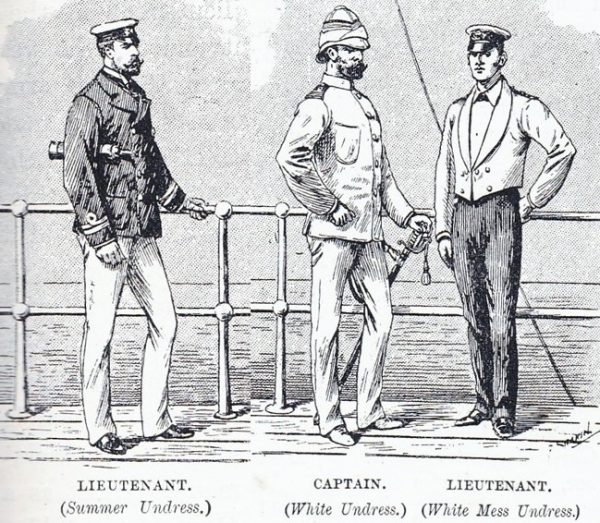
"Life at sea in the Royal Navy, late 1860s" Topic
1 Post
All members in good standing are free to post here. Opinions expressed here are solely those of the posters, and have not been cleared with nor are they endorsed by The Miniatures Page.
For more information, see the TMP FAQ.
Back to the Age of Sail Message Board Back to the Naval Gaming 1898-1929 Message Board
Areas of InterestRenaissance
18th Century
Napoleonic
19th Century
World War One
Featured Hobby News Article
Featured Link
Featured Ruleset
Featured Showcase Article The fascinating history of one of the hobby's major manufacturers.
Featured Workbench Article
Featured Profile Article
Featured Book Review
|
| Tango01 | 16 Dec 2020 8:06 p.m. PST |
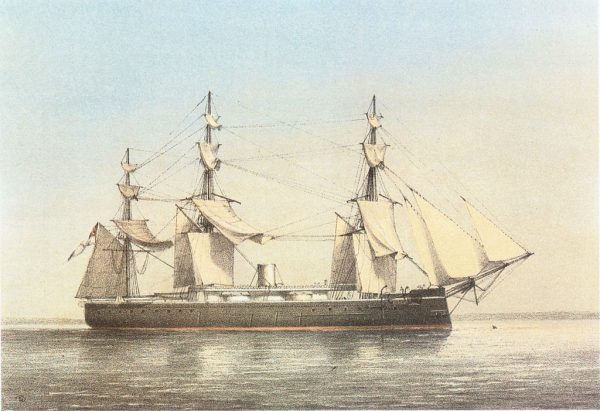
"I've recently been dipping again into the memoirs of Admiral Sir Percy Scott (1853 -1924), one of the key figures in the modernisation of the Royal Navy in the late 19th and early 20th Century. Scott transformed the discipline of Gunnery, including improvements in accuracy and development of fire control. Though retired before World War I, he was called back to service by Admiral Lord Fisher and Winston Churchill. A talented engineer (who became wealthy through royalties for his inventions), Scott's interests, besides naval gunnery, also included development of anti-aircraft guns, anti-submarine warfare and the employment of aircraft. He was one of the first to recognise that air-power had made battleships all but obsolete. A difficult and combative personality, who challenged established and conservative thinking, he managed to rise in the navy nonetheless on the basis of sheer excellence and pragmatism of his ideas. Given that he would build his career on mastery of new technology, it's fascinating how his early days were spent in a mainly sailing navy that still carried much over from the Age of Fighting Sail. His memoirs provide fascinating insights to this. Scott recounts that "on 25th August, 1868, I went to my first real seagoing ship, the Forte, a 50-gun frigate of 2,364 tons. She had engines, but of such small horsepower that they were only serviceable in a flat calm."…"
From here
link
Amicalement
Armand
|
|





 makes flight stands for 1/300 scale aircraft.