"Merovingian-era settlement excavated in France" Topic
1 Post
All members in good standing are free to post here. Opinions expressed here are solely those of the posters, and have not been cleared with nor are they endorsed by The Miniatures Page.
Please use the Complaint button (!) to report problems on the forums.
For more information, see the TMP FAQ.
Back to the Medieval Media Message Board
Areas of InterestMedieval
Featured Hobby News Article
Featured Link
Featured Showcase Article The Editor tries out a boardgame - yes, a boardgame - from battle-market magazine.
Featured Profile Article
|
| Tango01 | 14 Oct 2020 10:11 p.m. PST |
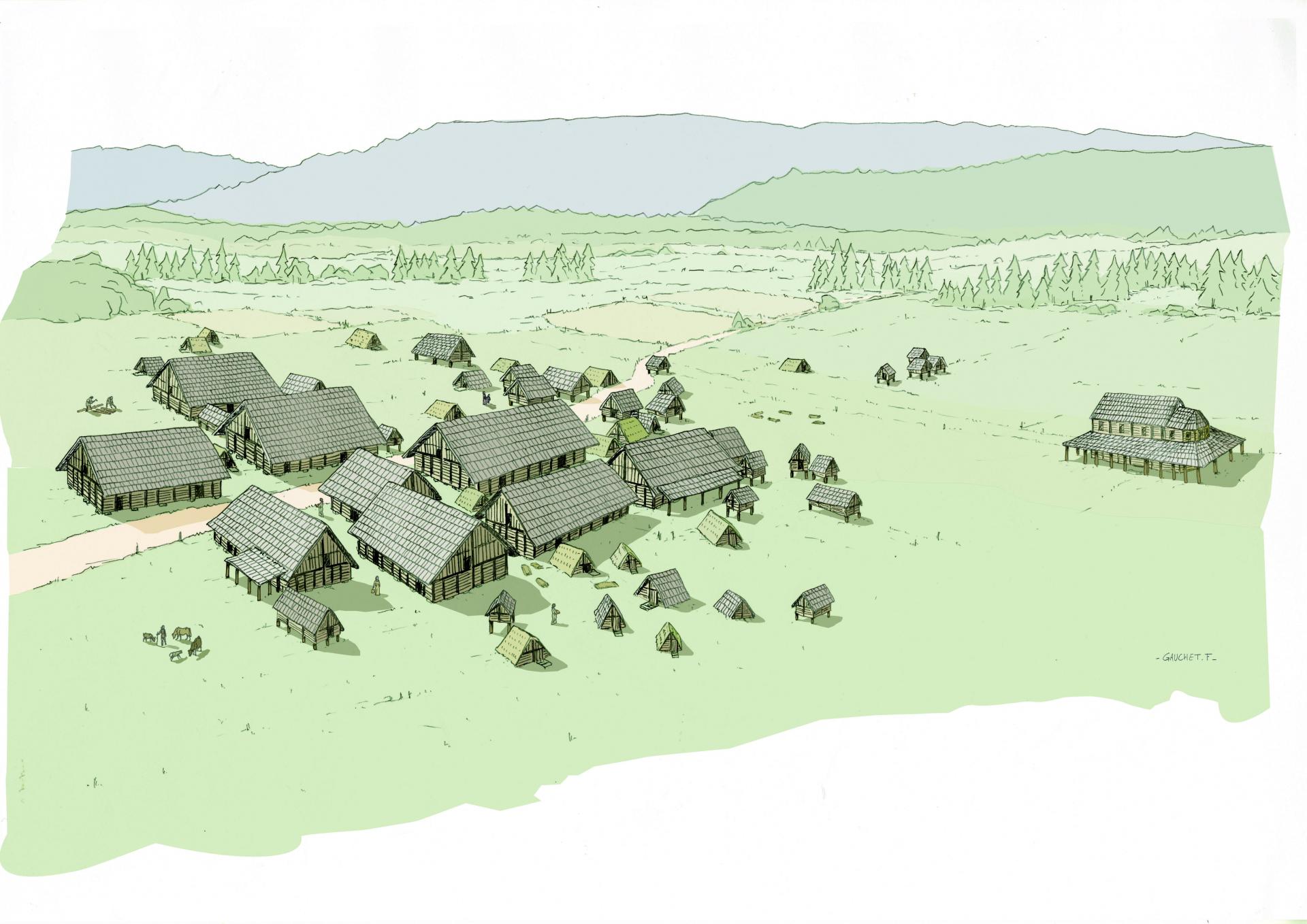
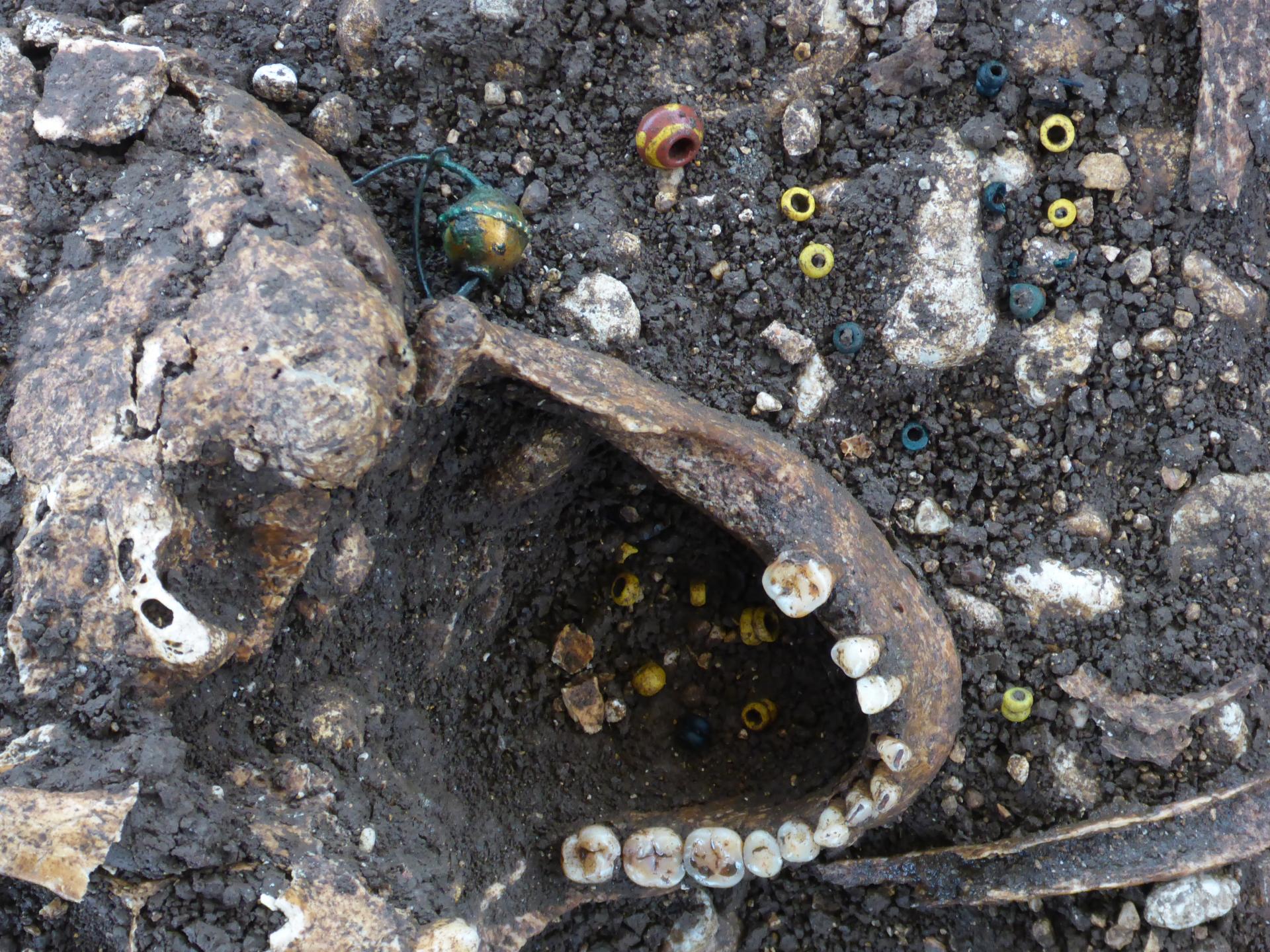
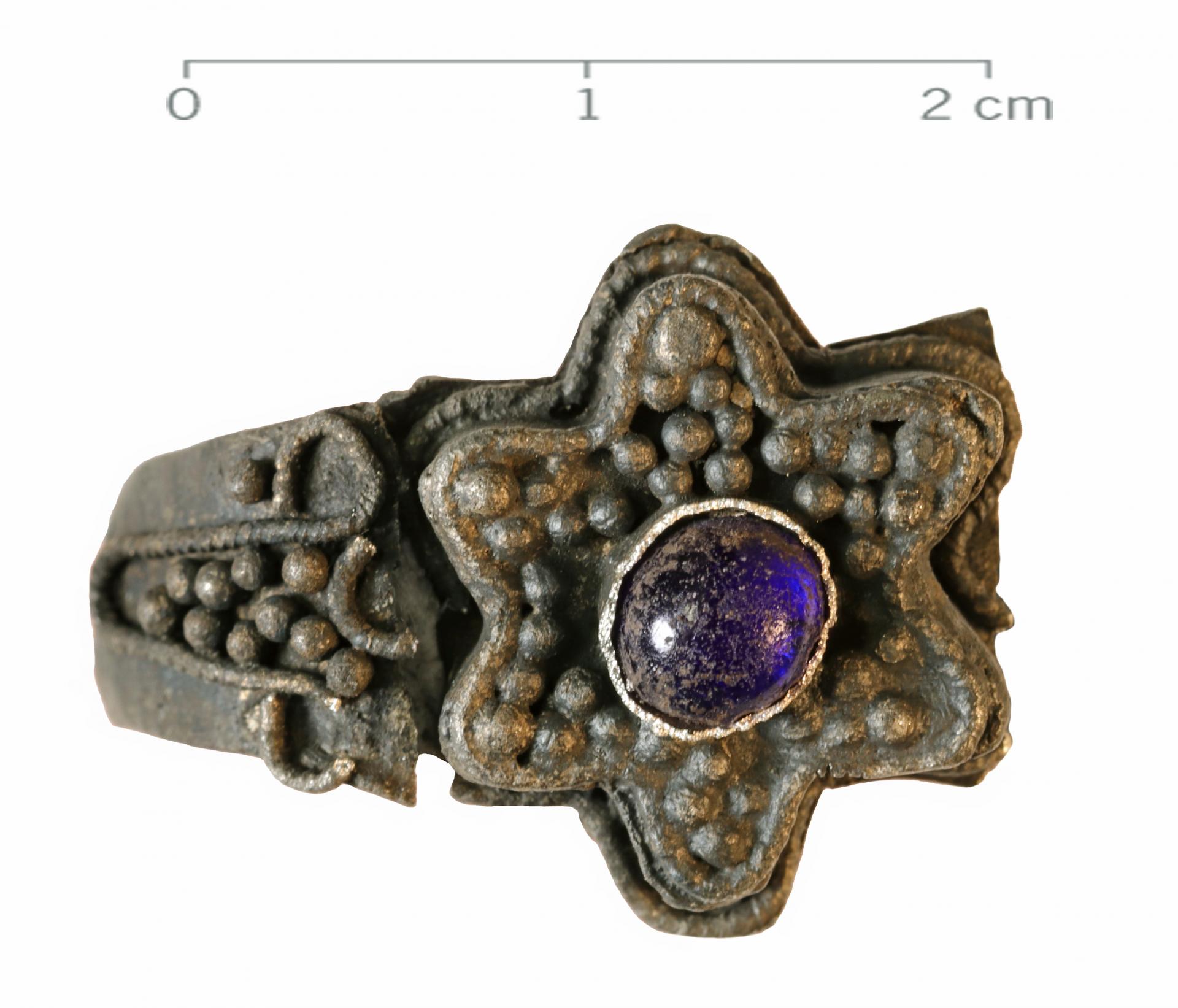
"Archaeologists have unearthed a full Merovingian settlement complete with church and burial ground in Pontarlier, eastern France. Grave goods including weapons and jewelry indicate the settlement was a prosperous one, not a sleepy pastoral village. It was strategically located near the village of Pontarlier, formerly the ancient waystation of Ariolica on the Roman road between modern-day Orbe, Switzerland, and Besançon, France. Pontarlier became even more important after the Burgundian invasions of the 5th century as a key trading center linking Burgundy's territories to Switzerland, German and Lombard northern Italy. It was also the only reliable pass over the Jura Mountains well into the 17th century. The site was occupied for 150 to 200 years in the 6th and 7th centuries. The settlement was built quickly according to a plan found in Germanic territories from this period in Switzerland and Bavaria, but never before in France. Ten large rectangular buildings were at the center, each supported by massive corner poles three feet in diameter. These large structures had two distinct areas: one half partitioned into smaller spaces, the other half wide open. The former is believed to have been the living space for humans, the latter for animals…"
Main page
link Amicalement
Armand |
|





 looks at some new terrain products, which use space age technology!