Help support TMP


""Years of War"/Ofredsår by Peter Englund book review" Topic


3 Posts

All members in good standing are free to post here. Opinions expressed here are solely those of the posters, and have not been cleared with nor are they endorsed by The Miniatures Page.

Please be courteous toward your fellow TMP members.

For more information, see the TMP FAQ.


Back to the Renaissance Media Message Board


Areas of Interest

Renaissance

Featured Hobby News Article


Featured Link


Top-Rated Ruleset

Armati


Rating: gold star gold star gold star gold star gold star gold star gold star 


Featured Showcase Article

28mm Acolyte Vampires - Based

The Acolyte Vampires return - based, now, and ready for the game table.


Featured Profile Article

Report from Bayou Wars 2006

The Editor heads for Vicksburg...


2,287 hits since 21 May 2012
©1994-2026 Bill Armintrout
Comments or corrections?

Anatoli21 May 2012 2:21 a.m. PST

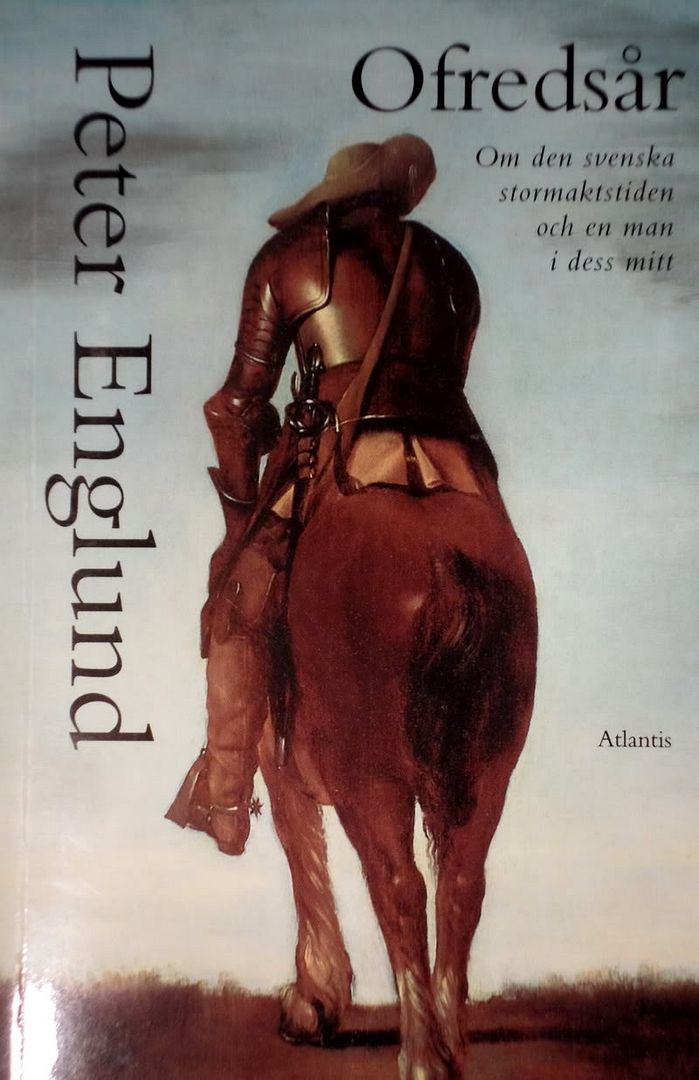
Finished listening to this truly great audiobook version of Swedish historian Peter Englund's "Ofredsår" or "Years of war".

As I'm still a fairly new to 17th century warfare it was a great starting point/ "17th century for dummies" where the author describes the warfare, politics and battles of the 30 year war – mainly from the Swedish perspective (but including other countries involved as well).

Really learned a LOT, it was at times quite baffling and somewhat depressing to listen to how the same army just disintegrated for the 5th or so time in plague or starvation in the wartorn German states. Like 25 of some 500 new recruits died of disease in the army camp upon arrival before even seeing battle, the requirement of signing up for 30years of service when joining the army, people fighting in rotting rags as the long campaigns reduced even the finest of clothing to dirt.

How armies tried to avoid battle since it was a chaotic affair, while playing cat and mouse up and down the German states – chasing and being chased and hoping the other army would starve and run out of supplies before you do.

Crazy stuff. The battles themselves are also well described and the author writes about the introduction of the "Swedish style" formations that replaced the Spanish Tertio across Europe. It also chronicles the campaigns of all the Swedish commanders taking part in the 30 year war, from Gustav II Adolf to Carl Gustaf Wrangel.

Really great book. Not really sure if you can find it translated from Swedish to English though. I looked around and only found a bunch of Englund's other books in English which is a shame.

Full review on my blog:

link

basileus6621 May 2012 1:42 p.m. PST

Pity it's not in English. His book on Poltava was excellent.

Daniel S21 May 2012 3:13 p.m. PST

Sadly the planned English translation of "Ofredsår" never got of the ground. (IIRC it is available in German and Czech.)
Which is too bad since it is a well written book which gives a broad coverage of the period of the later TYW from a Swedish point of view.

First published in 1993 the book is begining to show it's age in some places. Today researchers are moving away from the view of old fashioned Spanish tactics vs inventive Swedish tactics for example.

He is also a bit too fond of certain images of the war, the notion of soldiers mostly clad in rags for example. In reality the clothign situation was far more complex with armies going from rags to riches and back to rags again. He quotes a description by the Frenchman Ogier describing the miserable condition of Swedish conscripts in Prussia in 1635 but leaves out the part were Ogier describes the German soldiers of the Swedish army being well dressed and living in a orderly and well made camp.

Englunds strenght is not the fine details of military history but rather the vivd picture he paints of the war and life in the 17th Century. He makes it interesting to read about a pretty miserable period in history despite the endless grind of the war and the never ending campaigns. He weaves a lot of facts about daily life, religion and culture into the story of the war and it's political side.

One of the best parts his how he shows that the war became a selfsustaining process. If the fighting stopped then you had to pay the soldiers so it became impossible to make a peace without solving the problem of how to pay all the troops which had been raised.

Sorry - only verified members can post on the forums.